
How can you improve conversion rates for your independent website? If you want your website to stand out from the crowd on Google, boost its rankings, and leave your competitors in the dust, SEO optimization and content marketing can be invaluable tools for promoting your site on Google. They're like a pair of stars that pierce the darkness and illuminate the path to success.
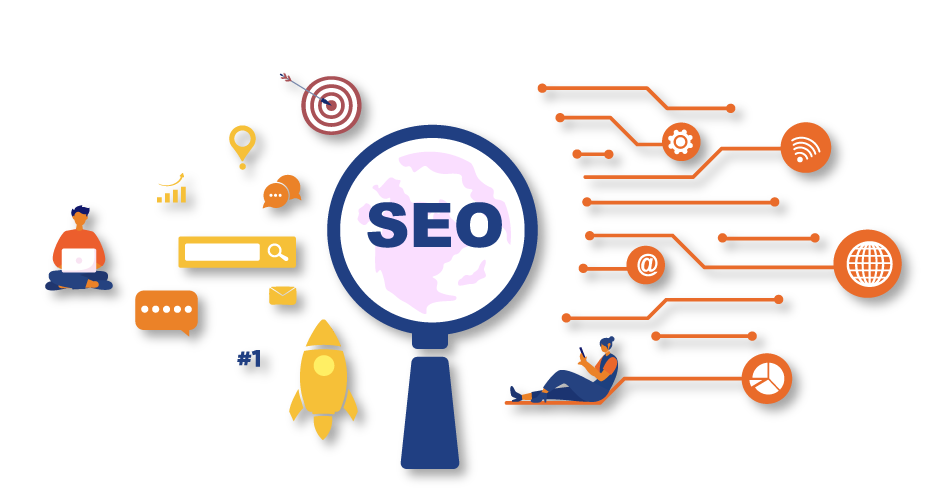
SEOOptimization
SEO optimization boosts your website's visibility—much like a shop owner painting their storefront. Just as an eye-catching storefront draws the attention of passersby, SEO optimization helps your target audience discover your website, leading to conversions.
A 5-Minute"SEO Crash Course"—Click to Learn More
Key SEO Strategies
- Keyword Research: This is the foundation of the optimization process. You need to identify keywords that users search for frequently and that are relevant to your website's content. There are many online tools available to help you conduct keyword research.
- Website Structure Optimization: A well-structured website helps search engine crawlers better understand and index your site. You need to ensure your website has clear navigation and appropriate internal links.
- On-Page Optimization: On-page optimization includes metadata (such as titles and descriptions), page content (using keywords), image optimization (ALT tags and compression), and URL structure (concise and keyword-rich). These are all key factors that influence page rankings.
- Content Creation: Content is at the heart of SEO. High-quality, unique content targeted at specific keywords is more likely to attract users and achieve better rankings.
- Mobile Optimization: With the rise of mobile search, your website must be optimized for mobile to ensure a good user experience across different devices. On-Page and Off-Page Link Building: On-page links help search engines understand the relationships between your website's content, while off-page links can enhance your website's credibility and authority. Backlinks—especially those from authoritative websites—can significantly boost your SEO rankings.
- Speed Optimization: Website loading speed is crucial for both user experience and search engine rankings. You need to ensure your website loads quickly, which may require optimizing image sizes, reducing HTTP requests, and other measures.
- Analysis and Tracking: You need to regularly monitor and analyze your SEO performance to see which strategies are effective and which need improvement. This may require using website analytics tools, such as Google Analytics. These are just the basic steps of SEO optimization; effective implementation requires a tailored approach. If you handle SEO on your own, you'll likely find that many issues remain unresolved and results are less than satisfactory. In contrast, you'll discover that partnering with a reliable independent website management agency is a much more hassle-free option.
Learn more about Manmanlai's managed services—contact us today!
Content Marketing
By creating, publishing, and sharing high-quality, relevant, and valuable content, you convey your brand's philosophy, values, and information about your products or services to a specific audience. The goal is to attract and retain valuable users, boost brand awareness, increase customer engagement, and ultimately drive consumers to take actions—such as making a purchase—that benefit your brand's growth.

The Power of Content Marketing: Achieving Big Results with Minimal Effort
- Identify YourTarget Audience: Understanding their needs, interests, and pain points is essential to creating content that resonates with them. You can gather this information through surveys, user interviews, and other methods.
- Develop a Content Strategy: Based on your understanding of audience characteristics and brand positioning, develop an appropriate content strategy. Consider factors such as content type, topics, posting frequency, and distribution channels.
- Create High-Quality Content: Content must provide value—whether through educational information, entertaining material, or stories that evoke emotional responses from readers. It should be original and as concise and easy to understand as possible.
- UseSEOOptimization Strategies: Optimize your content to achieve better rankings on search engines. Keywords, meta tags, internal links, and more are all important SEO techniques.
- Leverage social media: Social media is a powerful publishing and promotion tool that you can use to share your content, attract your target audience, engage with them, and build deeper relationships.
- Evaluate and Adjust Your Strategy: Use tools like Google Analytics to track your content's performance, analyze the data to see which types of content, channels, or timing generate the best response, and then adjust your strategy accordingly.
Achieving success requires perseverance and patience; it is an ongoing process where every step must be carefully planned and executed. This is not a strategy that yields results overnight; it requires continuous adjustment and optimization based on data feedback to achieve the best outcomes.
SEO Optimization and Content Marketing: Working in Tandem
Search Engine Optimization (SEO) and content marketing are two closely related strategies that complement each other and work together to drive website traffic and increase brand awareness.

- Content Quality andSEOOptimization: Search engines favor high-quality content. Providing high-quality, valuable content can improve your website's ranking in search results and attract more traffic. At the same time, high-quality content is more likely to prompt users to share and engage with it; these shares and links are recognized by search engines, further boosting your SEO ranking.
- Keyword Optimization and Content Marketing: Keyword research is a crucial aspect of content marketing. Understanding which keywords your target audience uses in search engines and then incorporating those keywords appropriately into your content can help improve your SEO rankings. However, be careful not to overuse keywords, which can lead to"keyword stuffing"; instead, maintain the natural flow and readability of your content.
- Consistent Updates andSEOOptimization: Search engines prefer websites that are actively updated. Regularly publishing new or updated content is an effective way to maintain and improve your SEO rankings.
Conclusion:SEOOptimization and Content Marketing: Opening a New Chapter in Online Marketing
Overall, content marketing and SEO are complementary strategies. High-quality content attracts both search engines and readers, while sound SEO practices help more readers find and engage with your content. Combining the two can effectively boost brand awareness and attract potential customers.
Contact us to unlock greater business opportunities for your independent website!
 Related Articles




 Chinese
 English