
这几天我在知乎上,看到了这么一个问题:

直觉告诉我,一般遇到这种问题,知友们一定不会让我失望。
果不其然,就有大咖带着优质回答来了:
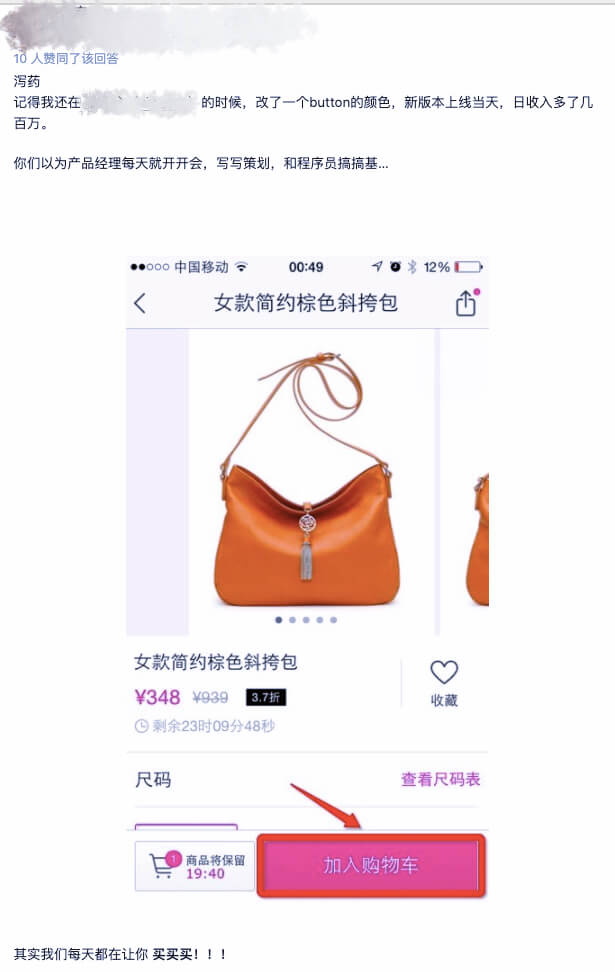
改了一个按钮的颜色,日收入多了几百万?
我没看错吧? 相信你也有这种疑问了,几百万可不是小数目呀,要是我的网站也改个色,岂不是询盘翻倍了?(我有点忍不住打开自己的网站后台...)
不过这时一个知友在下面提出了疑问。好吧,我就知道没这种捷径。

我觉得,颜色其实也是一种语言,在情感层面与我们交流,把产品和品牌的信息用颜色“说”出来,甚至促成信任和购买,是文字无法复制的。
这种语言,其实就是色彩营销。
1.
“色彩营销”是如何被发现的呢?
色彩营销理论,听着很高大上,最早是在20世纪80年代,由美国的Color Me Beautiful公司在企业营销实践中总结出来。
这个理论本身其实很简单,你能理解为,运用色彩组合来促进销售。
促进销售?如何促进?
这个理论的实质,就是根据客户心理对色彩的需求,控制色彩组合,使商品高情感化,把商品的思想传达给客户,潜移默化提高客户购买的欲望。
这种影响购买的层面非常深远,好比绿色代表环保,红色代表喜庆。
从视觉效果开始,从知觉、情感到记忆、思想、意志、象征等,人的反应和变化是十分复杂的,反映了人潜意识下的动机和深层感受。
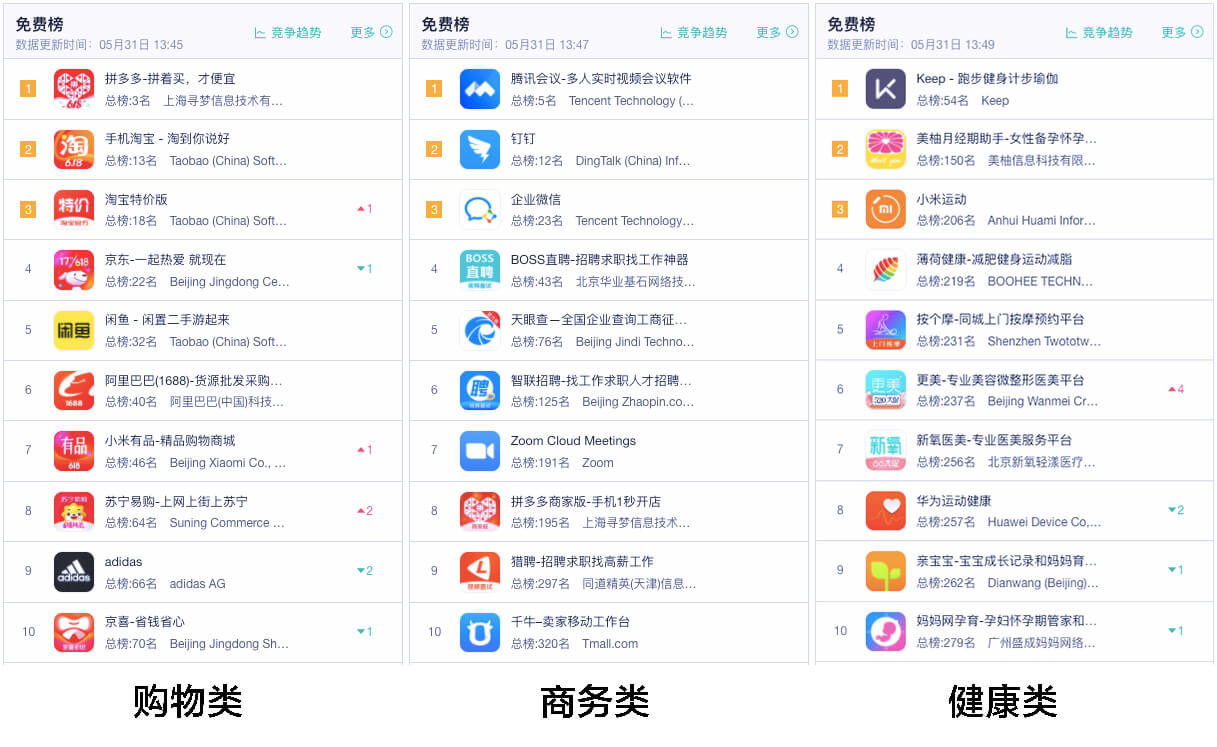
国外还有一种理论叫“七秒钟色彩”。
即人对一件事物的认识,可以在七秒钟之内留在脑海里,其中色彩占了67%的决定作用。
七秒时间,不够客户读完一句文案,不够你向客户say hi,但可能是留住客户眼球的关键。
也就是所谓的七秒定生死。
把色彩营销玩得贼溜的一级玩家,我知道的有全球闻名的食品供应商亨氏。
亨氏的新网站由设计工作室ShopTalk设计,引用官方描述:“这网站吧,仿佛套了个放大镜,把食物本身的美味最大化展现。”
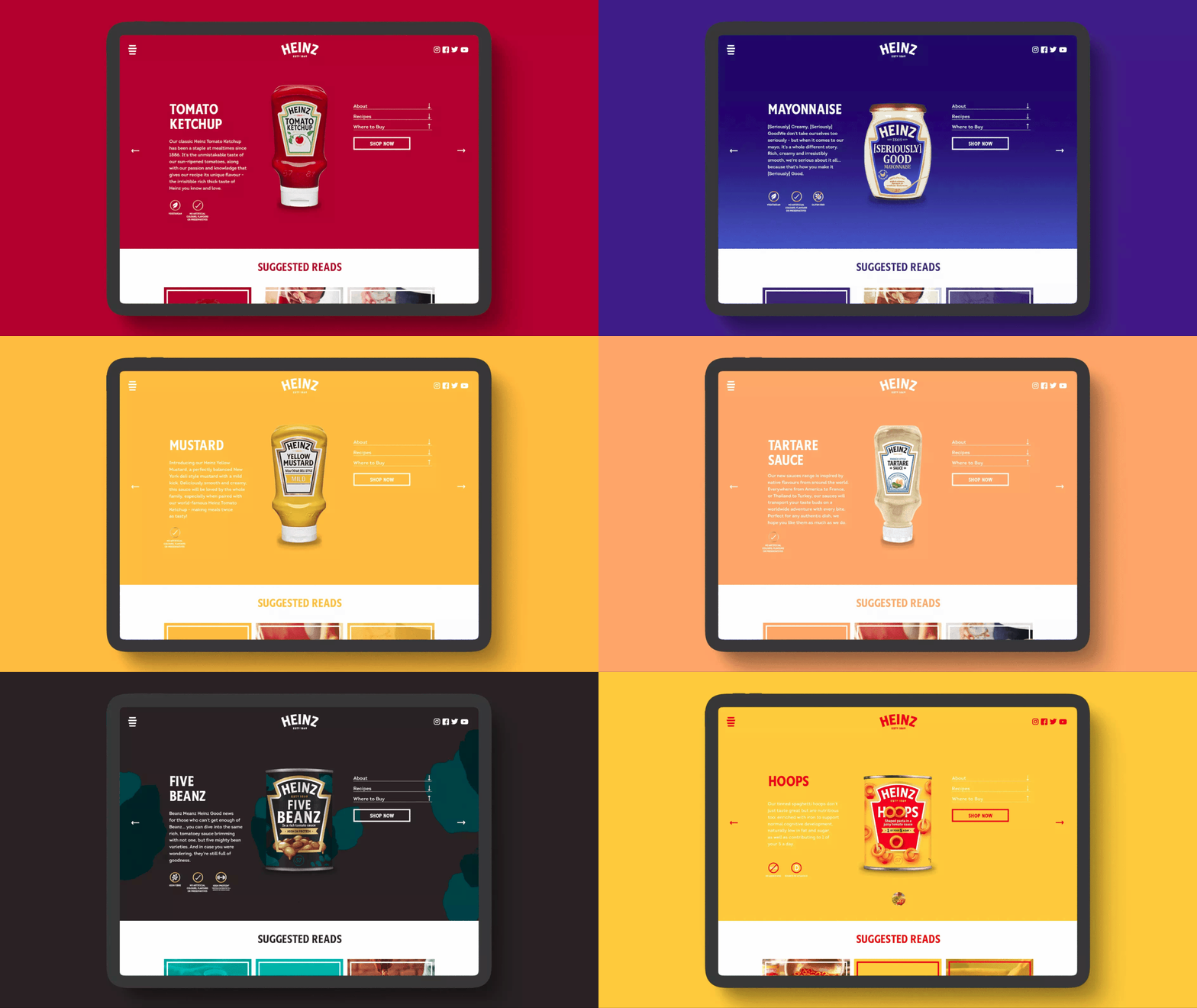
网站好不好,咱们不评论了,但我觉得亨氏网站改版,是想挑衅减肥人士。
想象一下,在描述番茄酱的酸甜口感时,视野所及是一片纯正的番茄红,番茄酱的滋味通过毫不遮掩的红色被瞬间放大。
而花生酱呢,浓郁的坚果黄毫不吝啬地铺开,像小时候嘴馋,偷吃却不慎打翻了酱料,空气里的咸香味还在手指上萦绕, 是不是相比于文字信息,契合产品痛点的颜色更容易触达你的味蕾?
2.
但“触达”,并不是我们的终极目标。
Shopify曾经做过一个调研,结果让人咋舌。
调研里发现:93%的购买决定是基于外观,而84.7%的消费者将颜色视为购买产品的主要原因。
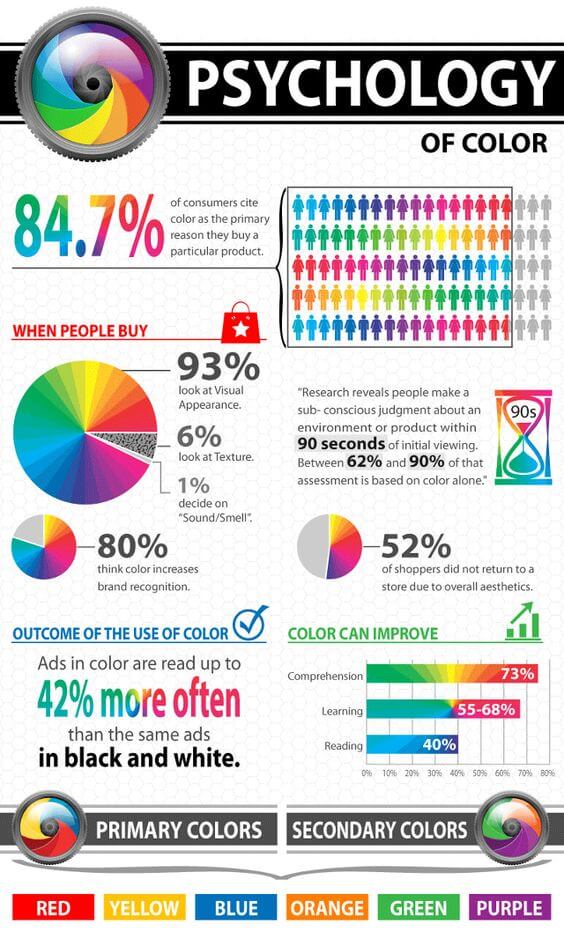
要知道,人类大脑中有将近85%的信息是通过视觉获得的,这也意味着颜色对人类购物的思想活动有着很大的影响。
例如女性会喜欢温暖而美丽的颜色,如粉色、鹅黄色等。男性会选择稳定而稳定的颜色,黑色、灰色等。
不过我认为,这更多是针对C端产品,在B端产品上的表现略有差别。
因为,色彩营销要区分C端和B端的大不同点:使用场景不同。
- C端的使用场景是碎片化的,比如用户并不会长时间盯着同一个购物网站,而是在多个网站之间随意切换,比如看一会淘宝,再看一下京东。所以C端网页更讲究娱乐性、社交性。
- B端正好相反,客户是为了工作而浏览这个网页,因此他们必然要花时间研究,并不能带着个人喜好去使用。所以B端更讲究严谨的设计、贴近现实的色彩。
这就决定了B端网页色彩营销的目标,是促进转化。
3.
色彩用到位,是促进转化的一大步。
网站作为一个企业最高效的“广告牌”,色彩的选择当然是需要慎之又慎的。
然而成功的色彩运用,往往不在于使用了多少色彩,而在于色彩运用得是否恰当。 人在色彩运用上有很多惯性思维。
比如食品一般宜采用红、黄、橙色包装,以显示其色香味美,加工精细;药品则宜采用代表干净、卫生、疗效可靠的白色包装。
但是,化妆品工厂的独立站是否一定要应用米色、石绿、海水蓝等颜色作为主题色he’s gained since starting his business?
当同一个网站,侧重点各有不同,主色调就明显不一样:
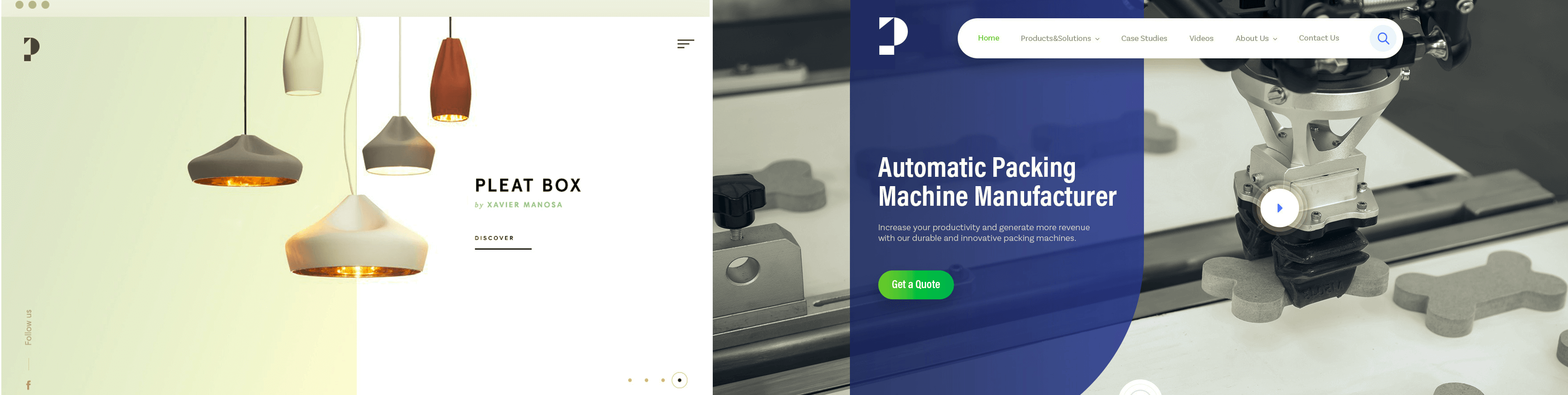
所以,我的总结是,怎样将Accurately identifying customers and guiding them into a comfortable viewing gallery to show them the scenery they most want to seeisthe challengethat web designers must solve using their analytical skills and imagination.
So I reviewed the websites I’ve worked on in the past, as well as well-known domestic and international sites, and identified their common traits:
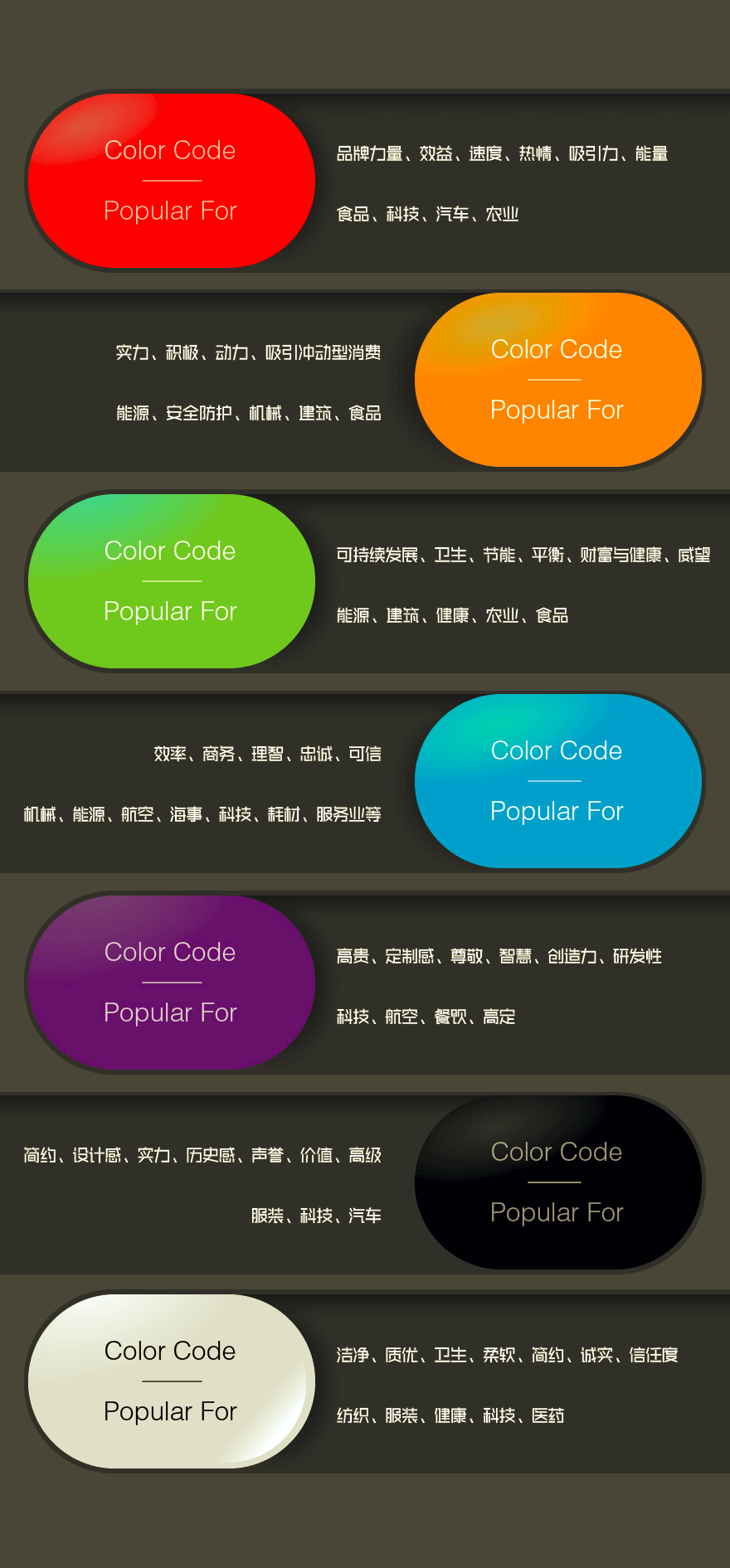
What if you’re still unsure about the color scheme for your website?
No problem—here are a few handy color palette tools that even beginners can use.
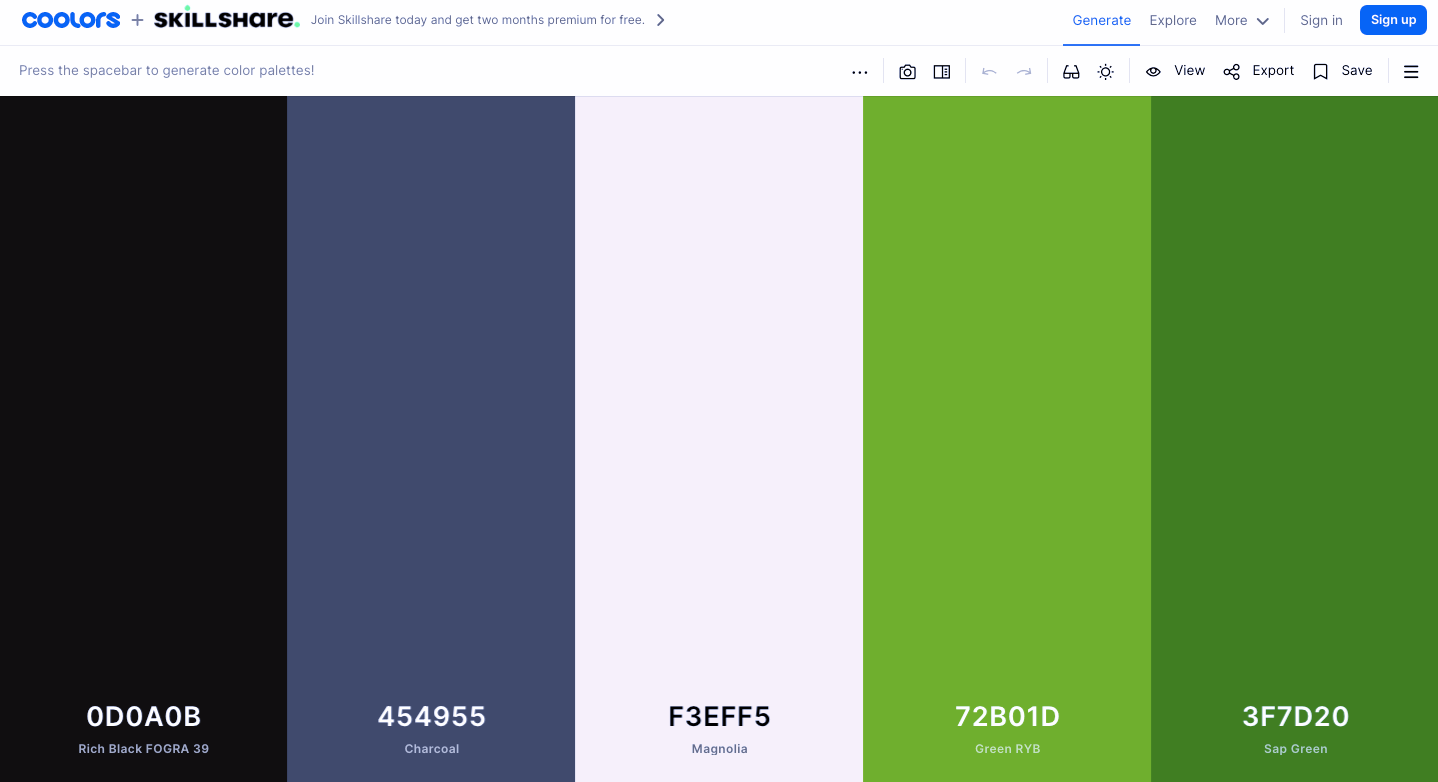
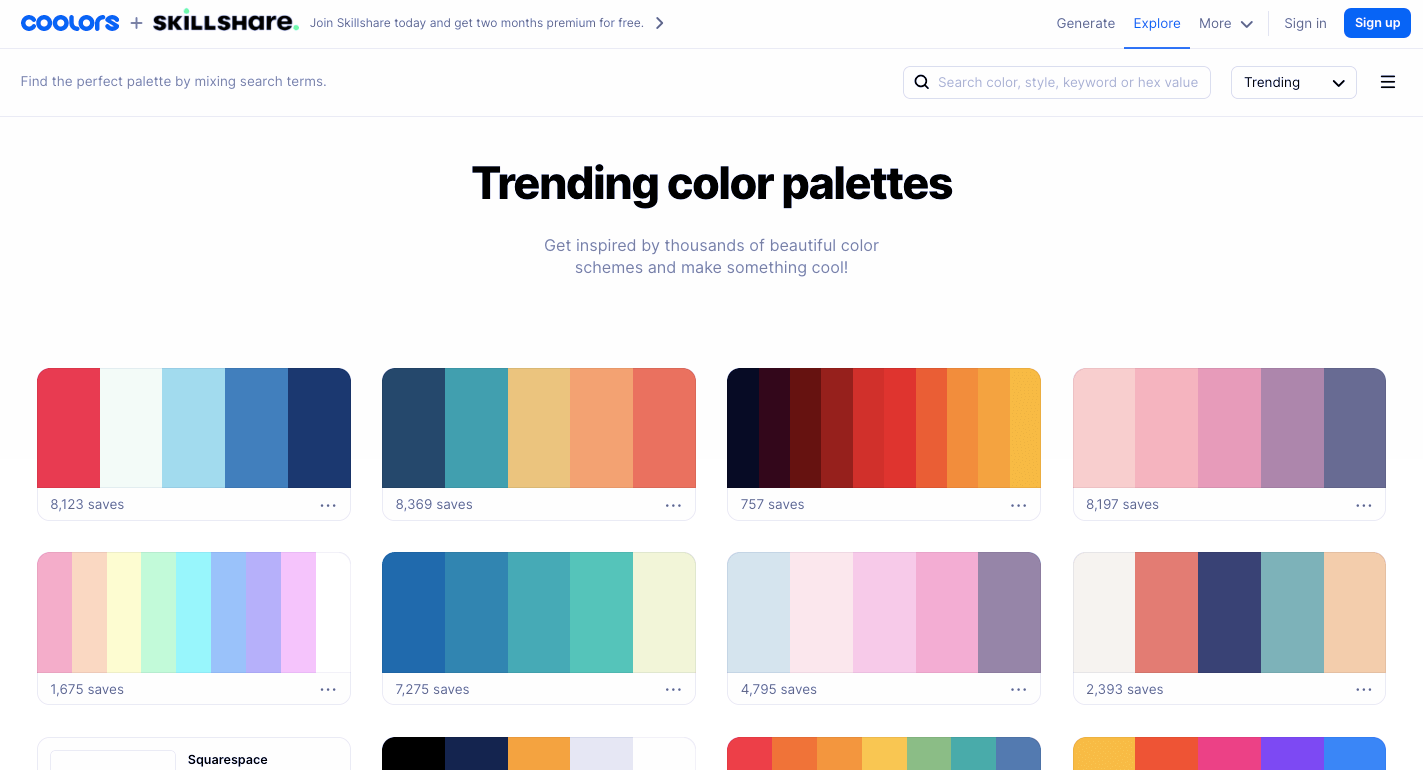
1. https://coolors.co/
Langge’s favorite—the navigation bar features two incredibly useful functions. One is “Generate”: if you already have a primary color and want to know what colors pair well with it, simply copy the color code into the field, and the site will automatically generate matching colors for you. The other is “Explore,” which offers a vast selection of ready-made schemes—perfect for when you’re stuck for ideas.
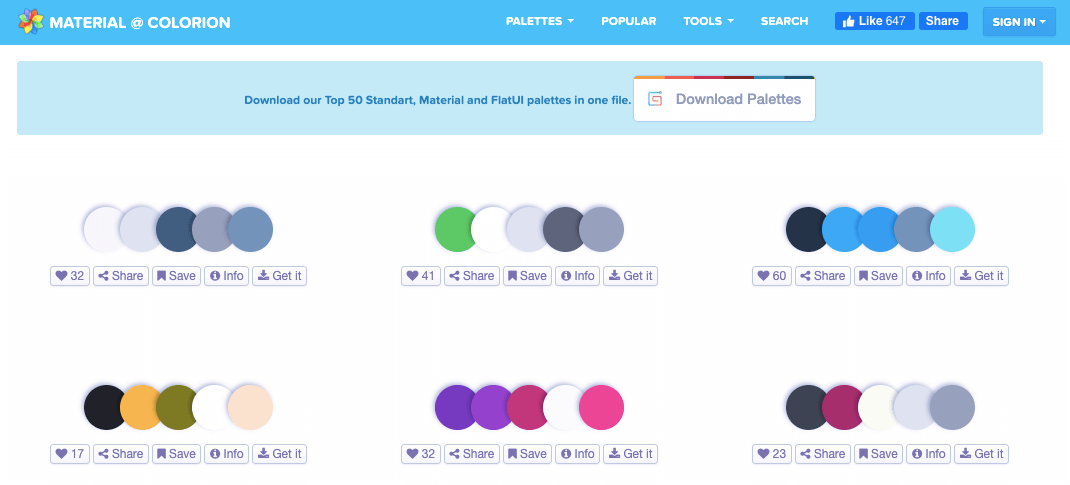
2. https://material.colorion.co/
It offers hundreds of color palettes and includes a favorites feature, making it easy to save your favorites.
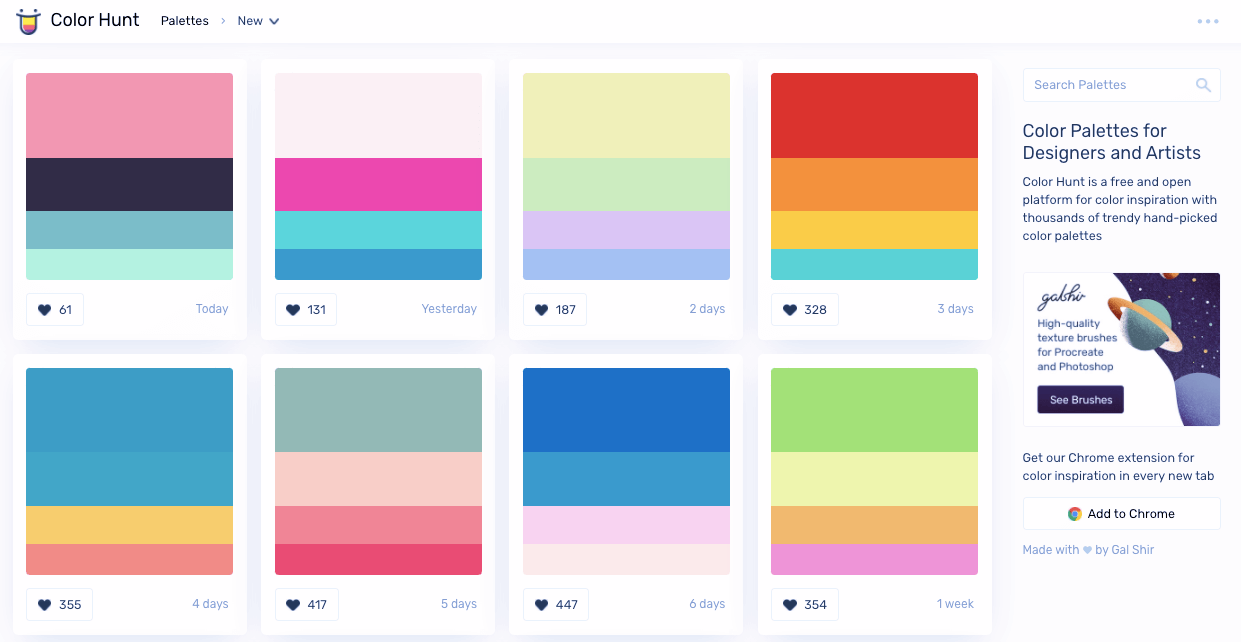
3. https://colorhunt.co/
Color Hunt not only updates different color schemes in real time, but users can also share their own color combinations on the site. Check out the schemes with the most likes—you can’t go wrong with those.
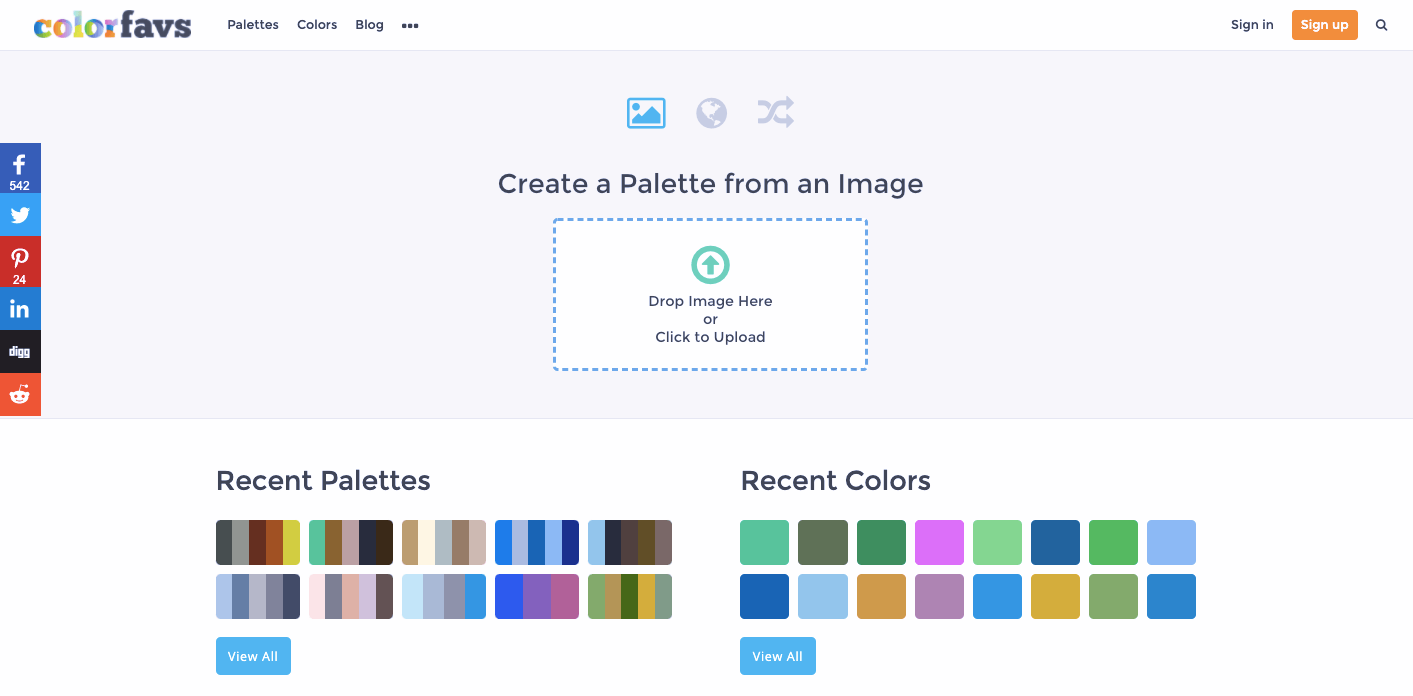
4. https://www.colorfavs.com/
colorfavs analyzes color schemes based on the images you upload and automatically detects color values.
However, I’d like to remind everyone that color schemes aren’t the be-all and end-all of web design. No matter how visually stunning your page design is, the ultimate star of the show is stillthe content。
4.
To sum up
Working in isolation will never compare to drawing on a wide range of references.
With thousands of years of evolution in color theory and human understanding of color, there’s already a wealth of insights and excellent references available in marketing.Why not stand on the shoulders of giants to get started??
When designing a B2B website, study your peers—identify dozens of outstanding websites in your industry to draw inspiration from. Take the time to understand color patterns, especially how the overall style facilitates business communication. Then, combine this with your company’s unique characteristics to find your own innovations and build a brand identity system that’s truly your own.
 Related Articles




 Chinese
 English
 Spanish